How much housing costs, what expenses arise immediately after moving, and how to plan your budget adequately.
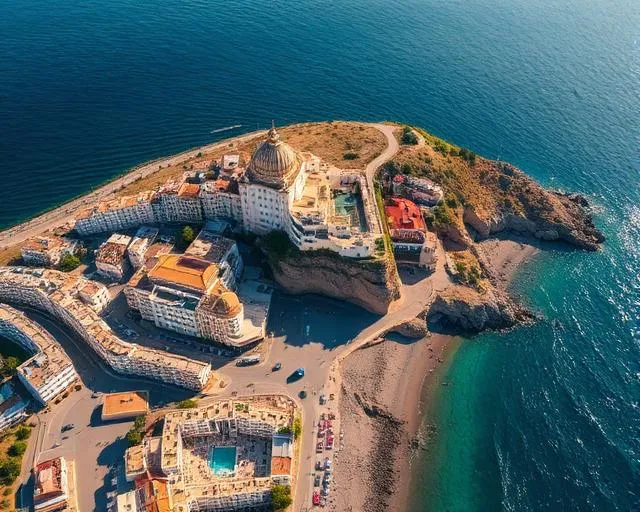
How to find housing in Spain if you haven't moved yet or have moved but need housing urgently? What conditions should you follow to avoid falling victim to scammers when signing a contract? How much does renting housing in Spain cost in 2025-2026? Today, we will save you months of searching for information and answer these and other questions: we will talk about the real estate market in Spain, share life hacks on how to protect yourself when renting and buying housing.
There are at least 4 main cities: Barcelona, Valencia, Alicante, and the island of Tenerife.
Let's start with Barcelona. This is a more active city with developed infrastructure. There are more police stations, banks, and other institutions here.

The city also has a pleasant climate, which differs, for example, from Madrid, as Barcelona is located by the sea. Plus, there are many startups, specialists, and people passionate about sports and other activities. If you want to live an active life in Spain, develop your projects, and be in a relatively young and Russian-speaking entrepreneurial environment — come here.
Alicante is a quiet village in contrast to the noisy Barcelona. It has a pleasant climate, affordable housing, and less infrastructure. The city is suitable for business, work, and life. Russian is often spoken, and there are Russian schools and shops. Alicante attracts families with children, retirees, and remote workers.

Many people are also moving to Valencia — a city slightly cheaper than Barcelona, so those who want to save choose to live in Valencia. The city itself is more compact; for example, in terms of specialty coffee shops, there are only about 10 in the entire city, or private schools — there are many fewer than in Barcelona. However, everything is relatively close: the sea, the airport, and developed infrastructure. Families also move here.

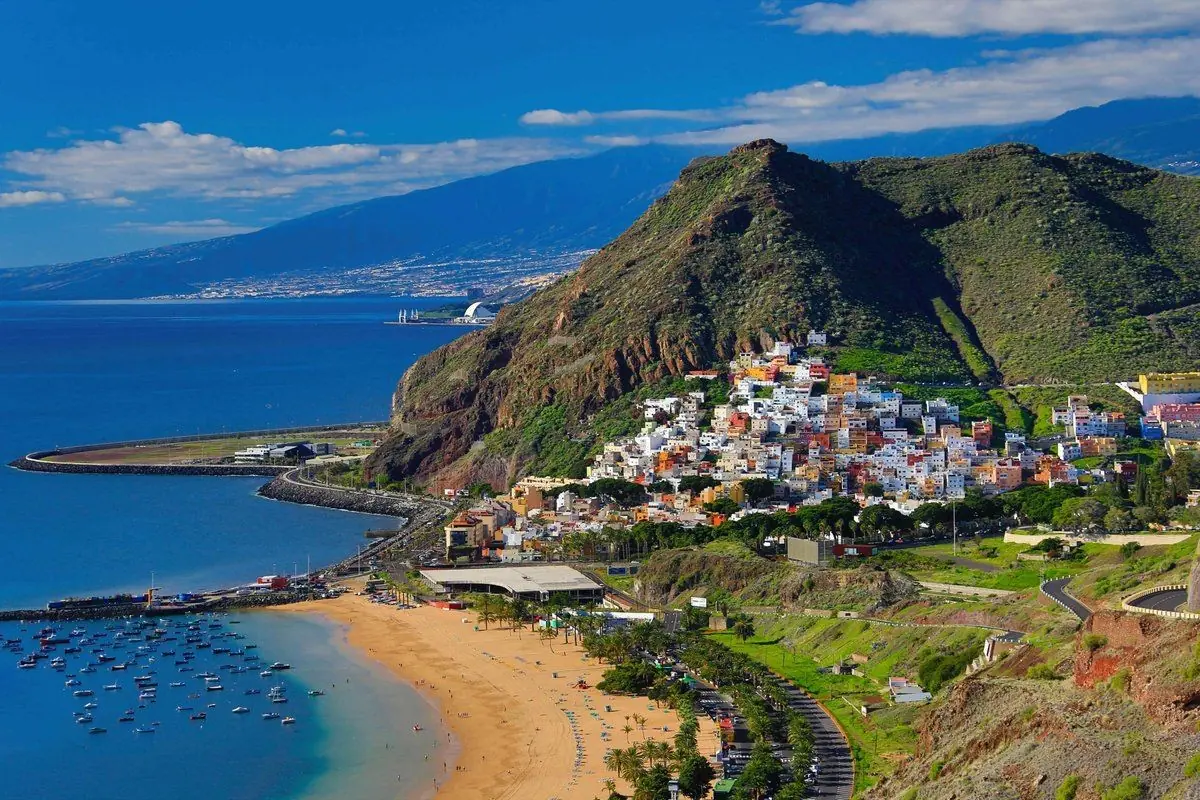
Some people choose Donriga or Tenerife. On these islands, you can enjoy views of the ocean, live near a volcano, and interact with relaxed people. It's a great place to recover from stress and emotional fatigue. If you want a measured, calm life away from all the noise, nightlife, and constant hustle — this is an excellent option.
People also move to Madrid, the capital of Spain, but not as actively as to Barcelona or Valencia. This is because Madrid is a kind of 'working metropolis' where the offices of large companies and corporations are located, and office life is generally welcomed. At the same time, the Russian-speaking community here is actively growing, especially among specialists from large companies and financiers.

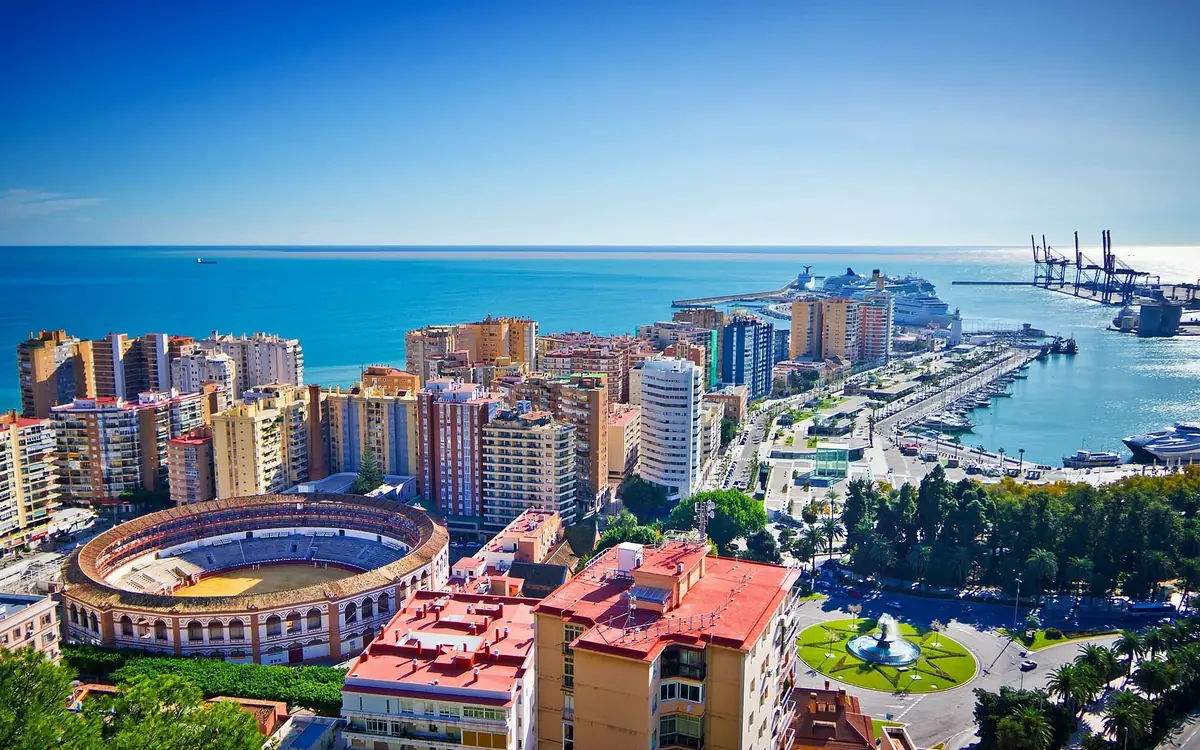
There is also Malaga — less popular but more affordable in terms of living expenses: it is one of the most budget-friendly cities in Spain, with a monthly living cost of €700-800 excluding rent, and it is also an ideal place for those who love a stable climate with measured temperatures of 18-20 degrees.
It is very important to choose a city for living in advance, based on what will be your main criteria. Here’s a small checklist: Family life — this is Valencia, Alicante, Malaga. These are comfort, affordable prices, and accessible schools.
Business development — 100% Barcelona or Madrid – large cities where the startup and entrepreneurial community is concentrated, with many from the IT and artificial intelligence fields. If you want a calm lifestyle, a place in the sun for relaxation and a laid-back life — your choice is Tenerife, Costa Blanca, or the Canary Islands.
In Spain, there are cities that are not popular among relocators but offer more favorable living conditions and benefits for all movers. This refers to regional grants and incentive programs that make moving to peripheral and less populated areas more advantageous than to large cities.
In 2025, the Extremadura region offered grants of up to €15,000 for digital nomads and remote workers to stimulate population growth and the economy of small towns.
This is one of the greenest and most environmentally friendly regions in Spain. It has national reserves, and the population density is less than 26 people per km². Extremadura is known for its calm life, affordable housing prices, and government support for families and young professionals.
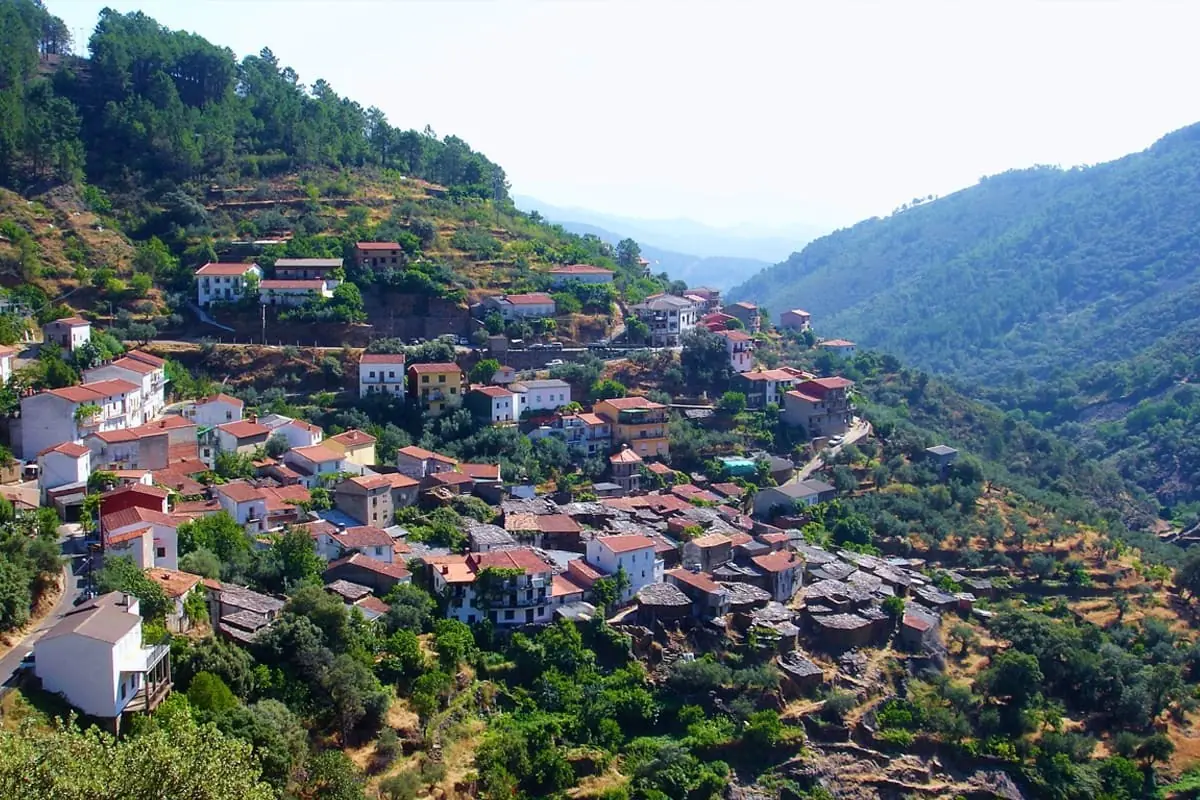
In small towns in Galicia, Aragon, and Castile, there are municipal initiatives — free rent or housing subsidies from €100 to 350 per month, one-time payments for families with children, discounts on utilities, and so on.
Many of you have heard that housing prices in Europe are 'biting' compared to the CIS countries. Let's check it now. The cost of renting a good apartment in a new building with good finishes, a terrace, and parking starts from €1000 per month, depending on the city. In older buildings without elevators and with outdated repairs, the rent will be lower, starting from €500 per month. This does not mean that such houses are bad; some of them are equipped with everything necessary and are located in decent neighborhoods where everything is relatively within walking distance.
However, the statement that you cannot find decent housing in Spain for under €1000 is a myth. Yes, the quality of such housing may be lower, but it is not a room in a shared house; it is a full apartment for rent.
In Barcelona, you can find 1-bedroom apartments away from the center for €800-1000, but the standard prices are as follows: €1300-1800 on average for housing rent. If you want to live with a family, be prepared to pay around €1400-2500 per month for 2-3 bedroom apartments in good, well-equipped areas.
In Madrid, the prices are similar: €1300-2000 for a 1 or 2 bedroom apartment, and this is 20-30 minutes from the center. The closer you are, the more expensive it gets. However, there is a more interesting option: you can rent a house in the elite area of Pozuelo De Alarcon: private schools, modern architecture, lots of greenery. And living here is not as expensive as it seems — from €1700 for a spacious house or a 2-3 bedroom apartment.
It is worth noting that Spain has its own parameters for apartment sizes: a 1-bedroom is about 45-60 square meters, 2-bedrooms range from 65 to 90 square meters, and so on. So these are not the standard one-bedroom apartments, like, for example, in St. Petersburg or Moscow, where the average size is 30-40 square meters.
Next is Valencia. Here, rent is cheaper: you can find offers for €800-1200 for a 2-3 bedroom apartment, and it's only 10 minutes from the center. There are also elite areas. For example: El Pla de Real – a prestigious area near the old city. Everything is nearby: parks, schools, universities. And the prices are quite decent: €1000-1600 for a 3-bedroom apartment.
You can find the remaining rental prices in Spain in 2026 in this table. These are average figures in the leading cities of Spain:
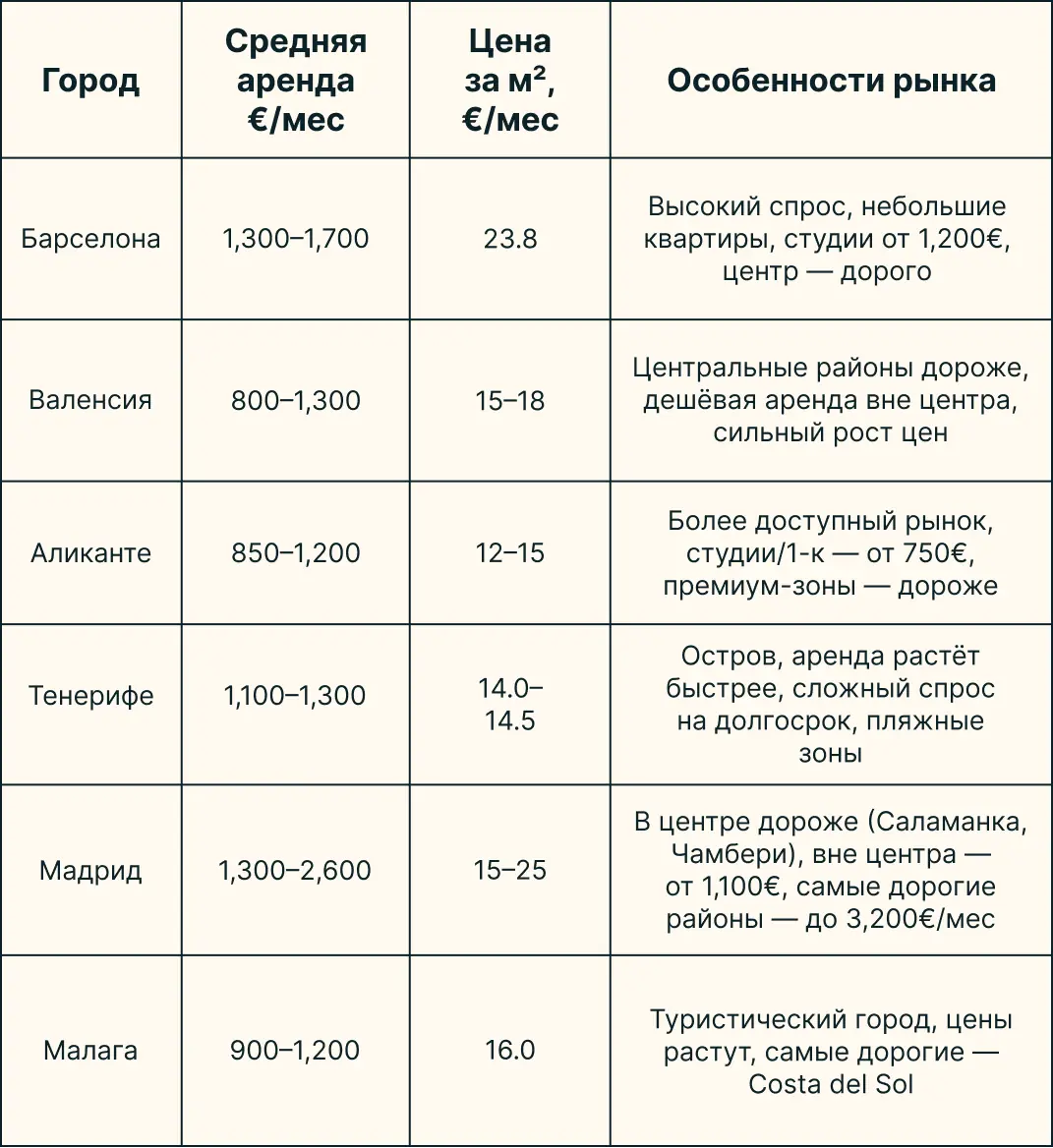
Let's compare prices with Russia. Using the example of 4 cities: St. Petersburg and Moscow against Barcelona and Madrid.
The average price for a studio in Moscow: €800-1000. In St. Petersburg, it is much cheaper: you can find rental options for €400–600. In Barcelona and Madrid, it is more expensive: €1200–1400, but considering that there are fewer such apartments there.
A 1-bedroom apartment costs €900–1200 in Moscow, €600–800 in St. Petersburg compared to €1300–2000 in Barcelona and Madrid.
The rental cost of a 2-bedroom apartment in Moscow is €1200–1500, in St. Petersburg — €800–1200, in Barcelona — €1700–2300, and in Madrid from €2000 to €2900 on average.
Yes, housing is more expensive, but it is worth considering the following: in Spain, the apartments themselves are larger in square meters, and they are located quite close to the city, not in remote sleeping areas like in Russia. If you take housing in Moscow, for example, within the Garden Ring, the prices can be equal, and sometimes even higher.
Sarrià-Sant Gervasi — the safest and most elite family area: many green parks, playgrounds, schools, a lot of international colleges, low crime rate. You can walk, exercise peacefully. There is also Les Corts, including Pedralbes — prestigious, green, with schools, modern houses, and large courtyards. It is quiet around, with developed family infrastructure and business centers. Les Corts is home to the 'Camp Nou' stadium, numerous children's areas, and convenient shopping.
If you want more tranquility and seclusion, your option is the Gràcia district — 'a village in the city', with a creative atmosphere, cozy squares, designer markets, and affordable bars.
In Valencia, families often settle in the Campanar area — here, there are new houses with pools, family cafes, schools, and it's 10 minutes to the center. El Pla del Real is also recommended — a prestigious area near the old city.
In Madrid, the best areas for living are Majadahonda and Las Rozas — developed infrastructure, shopping centers, schools, sports clubs, parks. It takes 30 minutes by car to the center.
Blueground. They offer medium-term rentals of up to 11 months in Spain with the possibility of extension. There is a single management company, with many options in different cities. All apartments are fully equipped, including coffee machines and changeable bed linen. Owners are more lenient with rentals, prices are within the market range, and all utilities and internet are included in the price.
Idealista. This is simply the most popular resource.
Fotocasa. An alternative to Idealista, a great option for those looking for budget housing.
Habitaclia. This service is especially popular in Catalonia. If you are moving to Barcelona, it is worth checking out.
It is important to note: there is a service called Spotahome — this site often appears in lists of 'best services for finding housing in Spain', but in practice raises many questions. There are often fraudulent listings, and therefore we definitely do not recommend using this service. Alternatively, to avoid searching yourself, you can contact us — we have contacts with verified real estate agencies in Spain that will find you the best option in terms of price/quality. For this, come for a consultation — we will discuss everything in person. The link will be at the end of the article.
Use these filters; they will definitely help reduce the time spent searching for the best options.
When applying through an agency, a commission of one month's rent is charged. In Spain, agencies differ from Russian ones: realtors not only help find apartments but also communicate with landlords, select properties without a Spanish contract, or find apartments from developers.
If you are looking for housing and want to do it quickly and efficiently, contact our experienced realtors. We have a special service for finding housing, and we have already helped many clients find suitable options. To take advantage of our assistance, leave a request for a consultation and describe your requirements in detail. The application form is under the video.
Next, in many cases, letters-essays about the family are needed. It is better to prepare them in advance and send them to everyone at once. In the letters, people usually write about the family composition, hobbies, and everything that should endear the landlord. A disarming tactic is to attach family photos; Spaniards love that. Documents do not necessarily need to be translated into Spanish. For renting housing in Spain, English will be sufficient. But if the landlords are elderly, it is better to translate them into Spanish.
The correct rental agreement should consist of the following points:
It is also important to pay attention to access rules: these are the conditions for the landlord's visits to the apartment, his rights to inspect, and notifications upon visiting. So that it is not the case that the landlord comes whenever he wants, and you cannot do anything because everything was written down on paper. And the other conditions: insurance, restrictions, the possibility of living with pets, penalties, and so on.
The standard rental period for housing in Spain is 5 years if rented by an individual, or 7 years if rented by a company. Not one year, as in Russia. Even if a shorter term is specified in the contract, the tenant has the right to extend the lease to 5 or 7 years if they pay on time. You also have the right to terminate the contract after 6 months of rental in the case of a 5-year contract, by notifying the landlord 30 days in advance.
The contract must clearly specify which expenses are paid by the tenant. By law, the landlord cannot require payment in advance for a year – payments must be monthly.
Let's discuss the main schemes and ways to protect yourself. The first thing to pay attention to is when the price is too low. This is a fraudulent scheme on popular websites: an advertisement with a rental price 30–50% lower than the market rate, a request for prepayment without viewing the apartment. After the money is transferred, it disappears, and the contacts are blocked.
Next is a similar private scam scheme – fake realtors and fake owners. This is when a fraudster poses as a real estate agent or owner, asks for a deposit or commission for a 'reservation' before signing the contract, and then disappears. Sometimes they even show the apartment but have no rights to it.
Therefore, always check the documents for the apartment; you can look them up in the property registry. Demand the realtor's license: if they are indeed an agent, they should have an official API number. And make sure to sign the contract in the presence of a notary or with an official agency.
Most landlords here do not respond to emails and messages. So be prepared to call and communicate in person to resolve issues. The further you are from the city, the higher the likelihood that landlords are local elderly people who may not understand European incomes and may require a Spanish work contract. Without a contract, you will have to negotiate or convince the realtor, possibly with additional deposits. By law, it is difficult to evict a tenant, especially with children, so landlords require more than one deposit and insurance against non-payments. Usually, they ask for payment for 2-3 months upfront.
By the way, we had situations where a client wanted to fly in for the weekend to view apartments. However, they did not intend to buy immediately. We warned them that this, to put it mildly, is a bad idea, as no one in Spain will be working on weekends. So, it is not advisable to come here thinking that you will be driven around, served tea, and shown apartments at any time of the day or night.
Now let's discuss an interesting situation: what to do if you want to live in Spain for only 182 days a year to avoid paying taxes, and in two segments of 3 months? Will the landlord know that you are not there?
You can choose an option where the contract is concluded for a minimum of one year and is automatically extended at the tenant's request for up to 5 years. If you say that you plan to live in Spain for no more than 182 days, you will most likely be refused, although in fact, this is not a valid reason to refuse to sign the contract. It is better to specify in the contract that the housing is used for temporary/seasonal living or business trips.
The owner does not control your location. You can leave the premises for any period as long as you fulfill your financial obligations. However, it is important that there is no such condition in the rental agreement. The main thing is to ensure that payments are made on time, there are no complaints from neighbors, and no suspicions of illegal subletting. All these points should be discussed at the start.
Now a bit about address confirmation.
You can get registered in Spain even if you are renting an apartment. Essentially, this is just a factual confirmation that you live in Spain at a certain address.
First, you need to fill out the Hoja padronal application: The form can be obtained online or on the municipality's website, or in person at the office. In the application, provide your details, the apartment address, and the purpose of registration. Next, prepare a package of documents: passport and/or residence permit card, rental contract for at least 6 months, and a receipt for rent payment: this may be required if the contract is not new or has been extended.
You need to make an appointment or come in person. In large cities, appointments are made online or by phone, while in smaller ones, it is often a live queue. After successfully submitting the documents, you will receive a registration certificate (Certificado de empadronamiento/volante) – issued on the same day or sent by mail.
For families/children, provide the Libro de Familia – a document issued by Spanish authorities containing information about marriage/divorce/birth of a child, etc., passports of all family members, and if the child was born outside Spain, a birth certificate with a translation.
After that, you need to choose the property itself: decide on the region, type of housing, and budget. This can be done on the same services – Idealista, Fotocasa, or JamesEdition – if you need luxury real estate. We recommend finding a trusted real estate agent – they will not only help you find a suitable option and arrange the deal but will also visit the property with you in person.
It is also important to perform a legal check of the property. Check for any encumbrances, debts, and confirm ownership rights. Verify licenses and the status of the property. Consult a lawyer to ensure the legality of the transaction if any questions arise. After you have chosen the housing and are ready to finalize everything, you need to sign a reservation contract and a preliminary agreement (Contrato de arras). You confirm your intentions, pay a deposit, usually 10% of the price. The contract specifies the terms of purchase, deadlines for delivery, possible cancellations, and penalties.
The final stage is the transfer of ownership rights. Here, everyone signs a public deed (Escritura Pública de Compraventa) in front of a notary. The remaining amount, taxes, and fees are paid, and the keys are handed over to the buyer.
If necessary, you can invite an official translator. This is how the transaction takes place step by step.
There is an option for a mortgage – for both residents and non-residents. Mortgage rates in Spain for non-residents range from about 3.0% to 4.5% per annum for fixed rates and from 2.9% to 3.9% for variable rates. The average mortgage term is up to 20 years.
If you need to discuss this option, feel free to contact us. We have agreements with banks, especially for young borrowers under 35 years old. In some cases, it is possible to obtain a mortgage even without a down payment. We can discuss this in more detail during a consultation; the link is at the end of the article.
Recently, the news featured a story about a woman who returned home to Spain, only to find that squatters – people living illegally in property registered to someone else – had already settled in. It turned out to be quite difficult to evict them due to restrictions in Spanish law. There is indeed a problem with squatters in Spain. These actions are explained by the fact that the Constitution guarantees the inviolability of housing, and a court can only recognize the fact of 'squatting' after a full process with all procedures.
If the owner cannot evict them within 72 hours, the issue will then be resolved through the courts over the next five years. And the squatters can live peacefully in someone else's home during this time, selling off items from there to make money for their sustenance.
So what should you do?
First, try to negotiate a payment for eviction. Find out the situation and propose a solution. It is best to do this with the help of a lawyer or translator. If 72 hours have passed, and the property is registered in your name and is not mortgaged or owned by a bank, feel free to hire lawyers and go to court. The main thing you definitely should not do is try to resolve the issue by force: you cannot raise your hand and evict squatters from the house in that way. According to Spanish law, such radical actions can lead to real prison time.
Squatters typically occupy long-vacant properties in less affluent areas or on the outskirts/suburbs. It is better to choose the area more carefully, not only by price but also by infrastructure. Install an alarm system with video surveillance and remote monitoring – this way, you can connect it all to your phone.
Create a sense of presence: regularly pay utility bills, visit the property, or ask neighbors to check on it, activate lighting and automation. Establish good relationships with neighbors. For long absences, hire someone to look after the property.
The average price of housing in Spain is around €1,900–€2,300 per sq. m at the national level, with a projected price increase of about 7–10% over the year.
In large cities like Madrid and Barcelona, prices are significantly higher than the average – there, the price per square meter ranges from €4,500 to €6,600. In less populated regions and away from major cities, the price is significantly lower – in some autonomous communities, the price per sq. m can be around €850–€1,000.
If you are planning to move to Spain and are considering renting or buying housing, it is better not to postpone this idea, and here’s why: rental prices in Spain rise every six months. Over the year, rental costs in popular destinations have increased by at least €100–150 per month, which translates to an overpayment of up to €2,000.
Here are the statistics: In 2025, rental prices in major cities in Spain increased by more than 10% due to owners switching to short-term rentals, which reduced the supply of long-term options and raised prices. And so far, there is no trend towards a decrease; rather the opposite. Here’s what a study prepared by a business school in collaboration with the University of Malaga says: in 2026, sales of new housing are projected to increase by about 7.6%, sales of secondary housing by 8.7%, and rental prices may also rise by 8-10%.
And another interesting piece of news – in August 2026, continental Europe will witness a total solar eclipse for the first time in 27 years. The best place to observe it will be, guess what? Of course, Spain, specifically Valencia, Valladolid, and Soria. In Valencia, rental prices have already increased tenfold compared to usual, and in Valladolid, 97% of hotel rooms have already been booked for the time of the eclipse.
The optimal solution is not to delay and start preparing for the move right now. The most convenient way is to contact us. We take care not only of residence permit processing but also assist with the move: finding housing, support during rental and purchase, document preparation, legal verification, and transaction management. We will thoroughly study your case and develop an individual moving plan, taking into account all the specifics.
Strictly necessary
Required for the site to function
These cookies are essential for the website to work and cannot be disabled. They remember your language preference and your cookie decision so the banner doesn’t reappear
Analytics & performance
Anonymous visit counting
Let us count visits and traffic sources (search, social, direct) to understand page popularity and improve the site. No personal data is collected
Your rights
You can change or withdraw your consent at any time by clicking «Manage cookies» in the site footer. This is as easy as giving consent. You also have the right to access, correct, or delete your data by contacting us at hello@relospain.com