How to get through the first months of adaptation when everything around you works in a different language and by different rules.
How do you adapt in a country where everyone speaks a different language, where there's a different culture and different laws? Let's dive into the process of adapting after moving to Spain. We'll go over what you need to do before and after the move in order to quickly adapt to a new reality.
We know cases where the enthusiasm of moving to Spain faded quickly. People started to feel out of place and miss home. The reason was precisely difficulties with adaptation, because it's not only the language — it's a whole process of inner restructuring, of coming out of your cocoon and building relationships with the environment around you. What was familiar back home may seem strange and incomprehensible here.
For example, in Spain everyone is equal. Here no one compares or judges anyone. It doesn't matter how you look or where you're from. You'll never catch judging or appraising looks at the gym here: in Spanish culture it isn't customary to divide people into fat and thin, poor and rich.
Here people don't intrude on your space or interfere in your life if you don't bother them. If your behaviour causes inconvenience, you'll be told so directly or the police will be called. Conflicts here are resolved by law, without aggression.
There's no cult of "working to the last drop of sweat" here: people value their rest and can calmly take an afternoon siesta, when for 2-3 hours no one works. Nor is there a tradition of sitting and watching TV or lying on the bed after the working day: many people, even pensioners, lead an active lifestyle and devote their evenings to sport — tennis, jogging, football and so on. Spaniards are very open: they smile often, and in communication there are no strict boundaries as in Russian culture, where we divide people into strangers and close ones. Life here flows slowly, no one is in a hurry to go anywhere.
All in all, life in Spain is a different culture, a different way of thinking, different values. It's important to be aware of this and accept it. How do you get used to it? It all depends on you — the more active you are, the faster you'll adapt. Any adaptation is live interaction.
Before the move it's best to prepare: read more about the cultural life and history of the city you'll be living in. Visit forums of people who've already moved to Spain: see what questions they ask, what answers they get, what topics they discuss, read our social media, and ask questions too.
"We went onto Instagram (which is banned in Russia) and found the accounts of people from Barcelona and Tenerife. We studied their content: what they show, where they go, who they socialise with. In the end, from their recommendations, we put together an impressive list of places: where to go and eat, where to take a walk and so on. So the earlier you start studying the life of your compatriots in Spain — watching blogs, stories and videos — the easier your adaptation will be."
Also study your district thoroughly: which shops are nearby, schools, hospitals, where you can go to relax with your family, where you can take a walk, and where you can run and do sport. The more you know about the place you're moving to, the easier your adaptation will be. Another thing that's 100%% worth doing before the move is finding various Russian-speaking communities in Spain: these can be forums, Telegram chats or Facebook groups, as well as offline communities.
There's a "Slavic Union" in Alicante — they organise cultural and public events and help find Russian-language schools for children. Or the F. Dostoevsky Association of Russian Culture in Tarragona. We think the name speaks for itself. Or the "New Wave" community in Malaga.
There's also a community called "Open your Spain" — a project by our partner Yana Kondakova; she has a Telegram channel called "Afisha.Barcelona" — a community for Russian speakers that holds many different interesting meetups and events within Spain — I recommend checking it out. There are also many unofficial communities here: in Barcelona and Madrid there are various coworking spaces and specialty coffee shops for Russian speakers, where you can meet so-called peers and even find partners.
A life hack for adaptation: be sure to bring your favourite things with you. They'll help create an emotional connection with the past and adapt to the new place faster. When you move, you lose the familiar surroundings that shaped your sense of home and safety. Familiar objects, such as a mug, photographs, bed linen and T-shirts, serve as "anchors of identity," helping to bring a piece of comfort into the new home and create a familiar atmosphere.
Don't be shy about writing and asking questions. Tested on ourselves: in new circumstances a person becomes more relaxed and more willing to help those who want to go through the same path, and all of this helps create a strong system of mutual aid.
It's important to build a circle of people with similar ambitions, values and a similar standard of living. For example, when we lived in Tenerife we had to look for such people ourselves, since the lifestyle we aspired to wasn't familiar to many of the island's residents. How do you form such a circle? The easiest way is to take walks often, go to public places and talk to people.
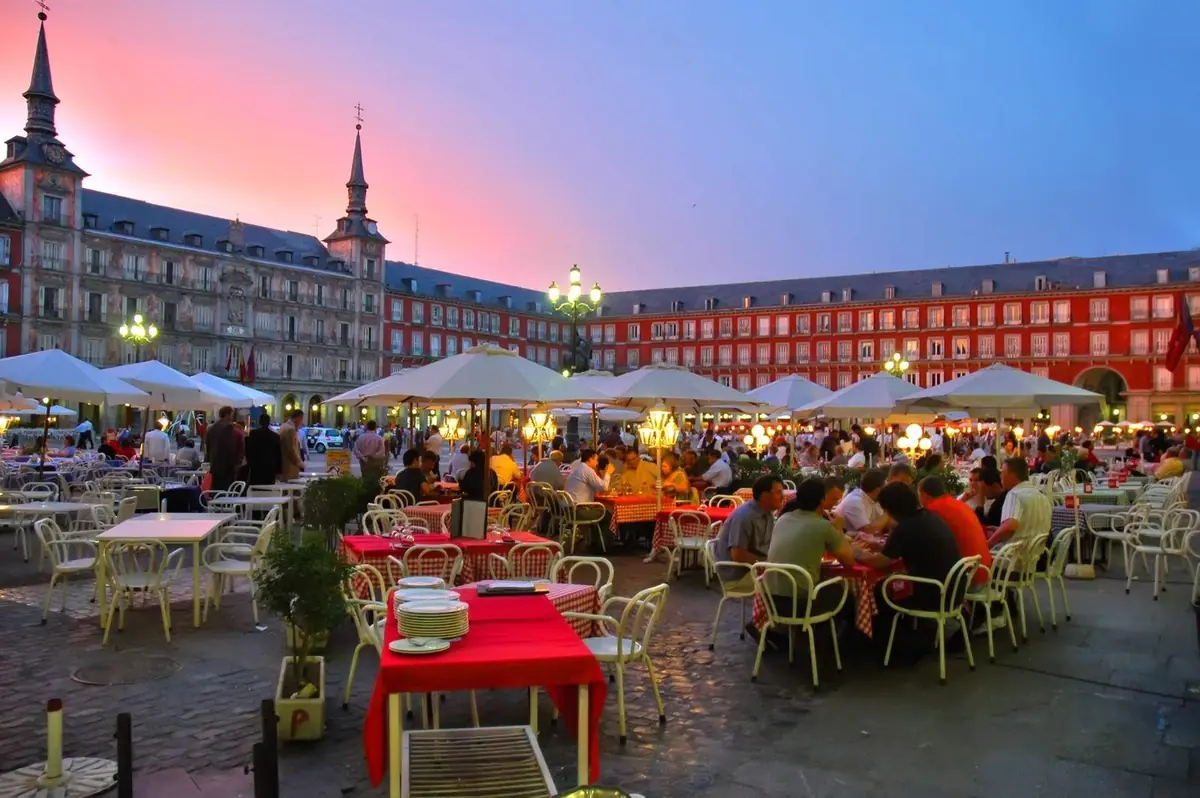
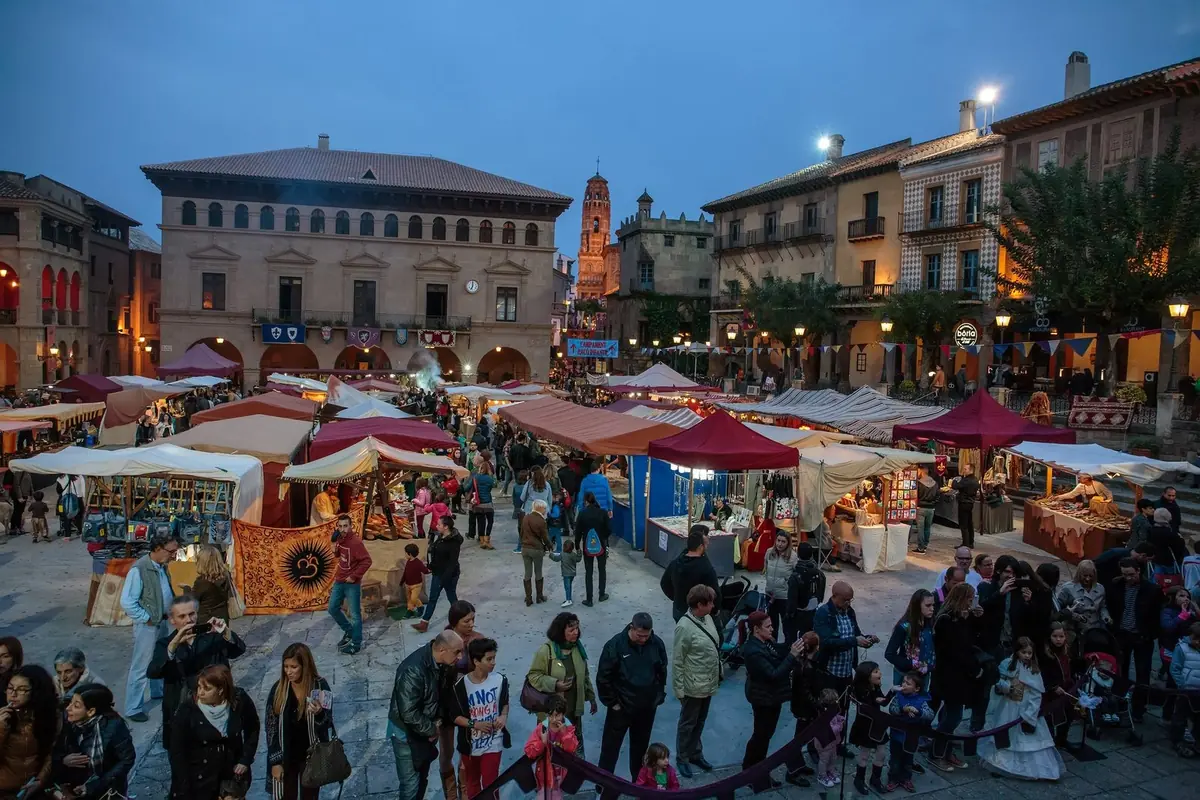
At the very least in specialty coffee shops, and often people gather there not just to socialise but to work too. In specialised cafés — here's a life hack. Open Google Maps or any international social network and type the words "syrniki," "cilantro," "plov," "borscht" — and you'll be shown places where you'll 100%% find Russian speakers. Tested.
Spain also has quite a few shops with Russian products or beauty salons that operate in Russian. There are special clubs, communities and events where you can also meet compatriots — for example, "Ensalada Rusa" — a Russian crowd in Barcelona: a community conceived so that people in emigration can find friends and acquaintances. It's a kind of club that often holds excursions, parties, concerts and various meetups.
There's also "Kvartirnik" — a community that organises various events aimed at comfortable adaptation in Catalonia, self-education and new acquaintances. In Spain families with children spend their leisure time the same way as in other countries. They take walks at the playgrounds and sports grounds found in every yard. They visit shopping centres, museums with interactive exhibits and amusement parks. You can go to the beach or to nature parks.
In Spain it's easy to start a bit of small talk, because people often take the initiative themselves. You can become part of a professional community and adapt through various events: breakfasts, evenings and conferences. In Tenerife, for example, there are many Russian speakers who organise such meetups. In Barcelona, for example, there are many business clubs — Russian-speaking, Spanish-speaking and even international ones.
Joining the local business community here isn't so hard. For example, you can buy a membership at "Soho House" and choose a circle by interests. Or go to various business conferences: in Valencia, for instance, international forums for entrepreneurs from various business fields are often held.
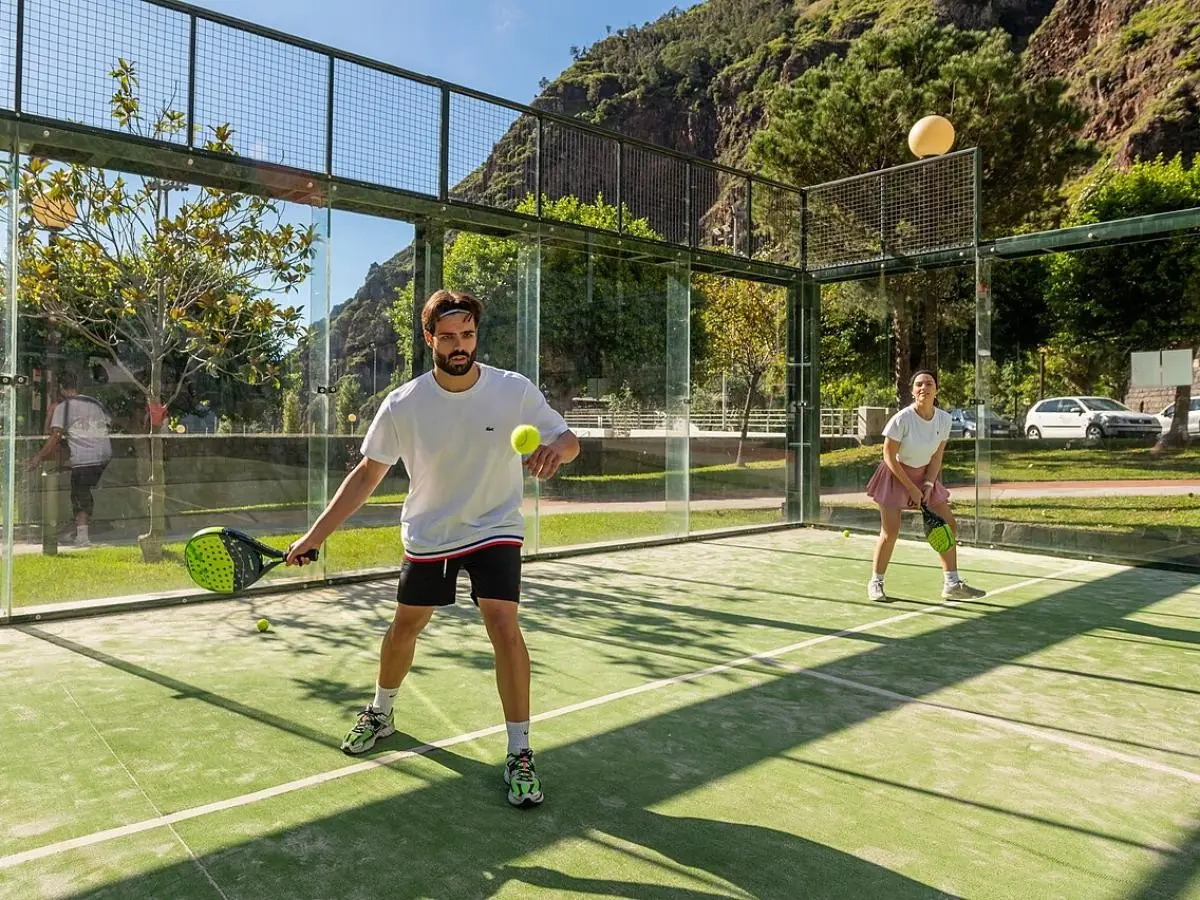
Another life hack, if you want to quickly form a circle of acquaintances — go and play padel. Here, in Spain, it's a whole universe where interesting people gather every week. And there are Russian groups: "Grechka-padel," "Aria Padel" and so on. Don't be shy if you have no experience. You'll be taught everything, and no one will pay attention to the quality of your game.
The main thing — don't build up expectations, because the reality may differ greatly from what you imagine. The fewer expectations, the easier it will be to cope with difficulties.
We're glad to reassure you: even if you don't know the language, that's definitely no reason to postpone moving to Spain or to give up on the idea altogether. Thousands of expats have lived in Spain for years, knowing at most "hola" and "gracias." We personally know such people, and by their account they live wonderfully. If you move to large cities such as Madrid, Barcelona, Valencia or Alicante, then at first you can calmly get by without the language. Such cities have many tourists and expats, and in banks, restaurants, at hotel receptions and when renting housing you can speak English;
But there's no need to worry. For the first while we take all communication with government bodies on ourselves and thereby help arrange all the necessary certificates and documents after the move. If you apply through us, there definitely won't be a situation where, after getting the card, you're suddenly abandoned and have to handle all the remaining matters yourself, since we fully accompany our clients and find solutions to any questions that arise even after the move.
But in any case there's nothing scary about moving to Spain without knowing Spanish.
"We ourselves — me, my wife Margarita and our son — moved without knowing Spanish. And although we started learning it right away, at first we still used translators; the same Google Translator translates speech excellently and can be very useful in shops, hospitals and pharmacies. For example, three weeks after moving to Spain my wife Margarita was due to give birth. On the appointed day, not knowing the language, we set off for the hospital. We were worried that communication would be difficult, but in fact all our conversations went through Google Translate, and this caused no difficulties at all. The same with pharmacies: at first the translator was our right hand when going for medicines, and we simply typed in Russian what we needed to say and showed the pharmacists the translated text on the screen, and everything was clear to everyone. So don't be afraid to use translators — Spaniards are used to this.
Still, it's advisable to find a tutor right away, as we did: he helped us greatly at first thanks to the right preparation tactics — we didn't just study Spanish from scratch but actually drilled specific situations. For example, if the next day I needed to go to the bank, I could arrange a lesson with the tutor and bombard him with questions: "What do I say tomorrow, what phrases should I learn?" and so on. English also "saved" us. In our sporting and entrepreneurial life we often communicated in English with Europeans, and this caused no problems at all.
There were more difficulties when we moved to Catalonia. Here Spanish is combined with Catalan, which is a mix of different languages. This became, so to speak, a real test for us. The signs in local shops were written in Catalan, and the same was the case in public places, parks and pharmacies. The Spanish we were learning at the time seemed useless. Naturally, we weren't ready for this. But later we figured out that many Catalan words are a mix of Spanish, English and French, and it became easier.
The main thing — don't be afraid to strain your brain and try to understand what's being said around you. People won't look down on you if you don't understand them. Here, in Spain, the attitude towards a person who doesn't know the language is completely different.
And after the move we quickly found a Russian-speaking community, both online and offline, and actually were even surprised at first by how many Russian speakers there are in Spain: by official statistics, more than 94,000 Russians live in the country, and if you count Russian speakers from other CIS countries, the figure is higher."
There are many Russian speakers in Alicante. In the villages and along the roads to Finestrat you can meet people speaking Russian, Ukrainian and other languages. In the more expensive areas and places connected with sport and business, people will readily speak English with you.
If you want to learn Spanish quickly — interact more often with Spanish-speaking people. Neighbours, shop assistants — they all speak Spanish. The brain gets used to this speech, and adaptation goes more easily than with tutor lessons. You listen to their speech, try to speak with them and start to understand their manner of communication. This speeds up the learning process. For children you can buy simple books with Spanish vocabulary. They'll help learn the language through pictures and clear phrases.
If your goal isn't to master the language, then there's no need to strain. Find a Russian-speaking circle, socialise with them, build connections. If it's hard for you without the language, practise it. Look for a Spanish-speaking circle. Do sport, develop a business or do anything at all — the main thing is to talk to people. They'll support you and communicate with you in Spanish and English, and this will help you develop your language skills faster.
And in Spain itself, every large city has many free courses and schools for residents where the language is taught. To enrol, you need to present your Spanish residence permit and, importantly, a registration certificate (empadronamiento) — confirmation of your address in the city. How to arrange it we covered in the previous module, or we can arrange it for you ourselves.
There are special local events. For example, libraries run special programmes for pensioners: they come there because they need company, and it's actually a great way to absorb Spanish — you can practise in a relaxed conversation with them, and they'll only be glad to talk with you.
There are also apps — a kind of "language dating service" where people meet each other to practise the language, and these can be situations where a Spaniard is looking for someone who knows Russian while you're looking for someone who speaks Spanish — and then you get the perfect "match." You can also learn the language for free at non-profit organisations, for example the Red Cross or Cruz Roja, or at the city's cultural centres. There are regional programmes and special schools for foreigners.

For studying from home there are online courses:
At some Spanish universities, for example UP Valencia or Universidad Complutense, you can use platforms that offer free online courses for residents, run on an "open doors" model with a certificate on completion — here's the list: EdX, Coursera, Santander Open Academy.
Remember that you can also always turn to us for help: we'll help you choose trusted schools or courses. And if you want to "brush up" your Spanish before the move, there are some life hacks and services our clients use: for example, the Duolingo app, where you can take language tests and build your vocabulary.
Or SpanishBOOM — a free platform for learning the language.
You can watch free courses on YouTube — there's plenty of such content there. Or hire a tutor — it costs money, but in return you'll have a clear, understandable system for reaching the A1 or B2 level.
Spaniards maintain a balance between work and personal life. People here value their time and pleasures. For those who've moved from countries with a harsher work culture, fitting into such a relaxed work process can be hard. But if you don't interact with Spaniards on work matters at all, you can keep your former work pace — no one forbids you from doing so, and no one will get in your way.
If you do plan to work in Spain or cooperate with local clients, it's important to understand the features of this country's corporate culture.
The working day in Spain usually starts after 10:00, with a lunch break of 1.5 to 2 hours used for a family meal or to meet friends. In the evening many return to work but finish no later than 20:00, freeing up time for leisure. Perhaps that's why people in Spain are so friendly and smiling. Friday is often a shortened day, and companies support flexible schedules for family obligations.
The traditional siesta is mainly a rule of the southern regions and small towns, where shops close from 14:00 to 17:00. In large cities this practice is gradually disappearing, but the cultural idea of rest and recovery in the middle of the day still remains an important element.
As for social life, it's no secret that the typical Spaniard is an extremely social person who values live, face-to-face communication. Spaniards can be recognised even without knowing the language. They're emotional, expressive, gesture a lot and often touch the person they're talking to.
As for business culture, in Spain, for example, if you're 15 minutes late for a meeting, it means you arrived on time. Although in some other cultures this is bad form.
For example, if you booked somewhere and ended up being late, no one will give you a sideways look or say the booking is already closed. Of course, that's if there isn't a high workload — otherwise, come on time.
In general, Spaniards have no mindset of "serve more clients than you can." They don't like a heavy workload and strict discipline, and they have no motivation to overdeliver on targets in order to, say, get a bonus. Here almost everyone works for their salary, no more and no less. That's just how the corporate world is set up here, where relaxedness and a will to live are valued more than the achievement of some goals, sometimes at the expense of health. In Russian culture, going to a bar or the gym with friends after work is a rarity. In Spain, however, it's an everyday thing. Spaniards aren't in a hurry to get home after the working day. For them it's perfectly normal to meet friends or colleagues, play padel, take a walk or have a meal together.
But still, for all Spaniards the family is the centre of their life.
In Spain the family's interests are put above personal ones, and that's great, since almost all of public life is steeped in such values: schooling, work — where even personal meetings can be rescheduled if there are some urgent family matters. Being friends as families is the norm here too — Spaniards regularly gather for lunch or dinner and celebrate all the important events together.
In Spain people are treated more gently: it isn't customary to judge people by their position — a shop assistant and a lawyer are seen as equals; the main thing is quality of life and happiness.
Las Fallas (Valencia, March) — a vivid festival with huge papier-mâché sculptures that are burned at the finale, symbolising renewal and change.

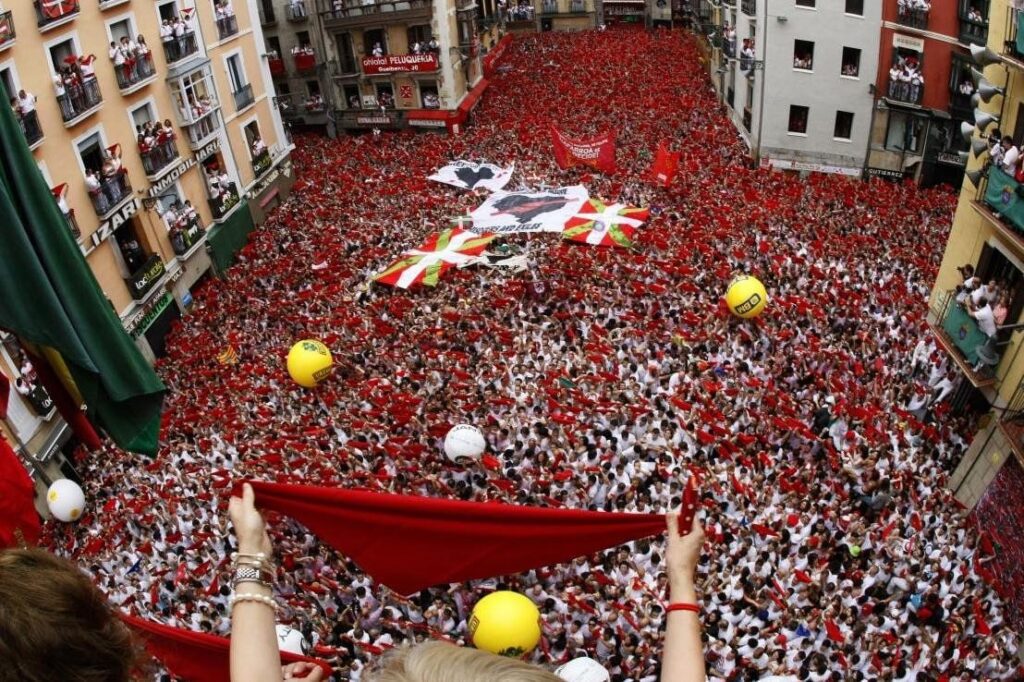
San Fermín (Pamplona, July) — the famous festival with the running of the bulls, concerts and street dancing.
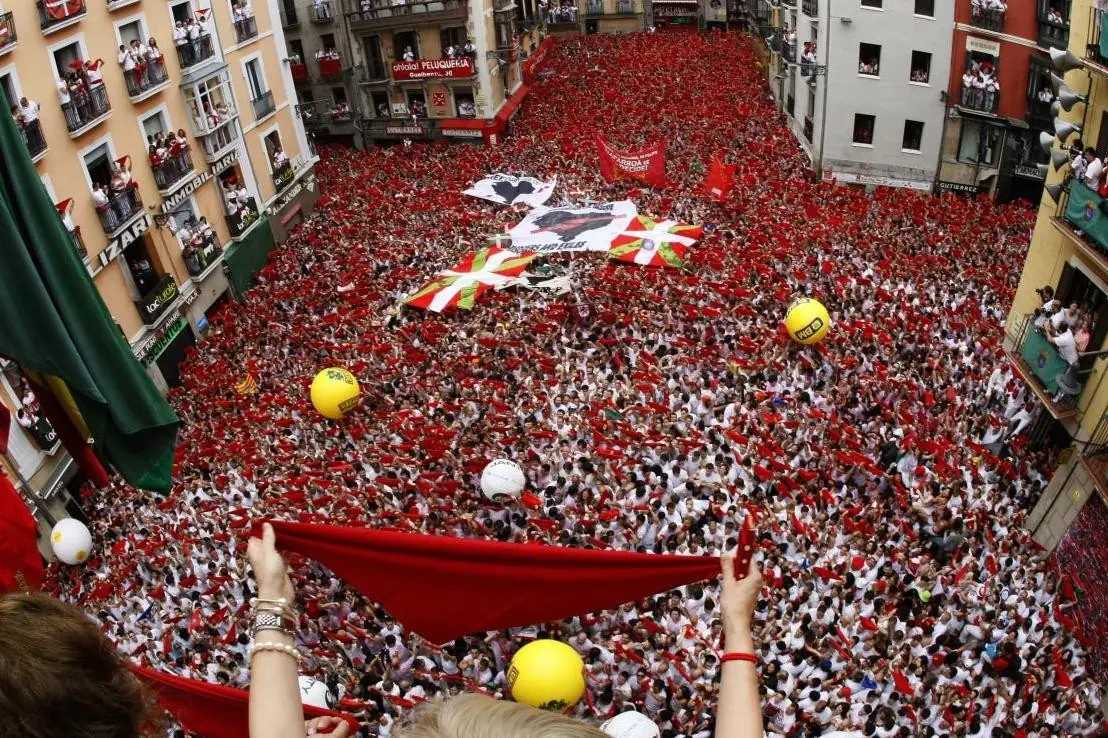
Or the Carnivals — large-scale costumed parades before Lent, especially vivid in Tenerife.

Spain is also a sporting country. There are many opportunities for sporting activities here: on a Monday evening Spaniards might play padel, on a Wednesday go for a run, on a Thursday do gymnastics, and spend the weekend on the courts. There's a special passion for football in Spain — here it's the most popular sport, of interest to 61%% of the population. For many Spaniards football isn't just a sport but a cultural rhythm uniting generations.
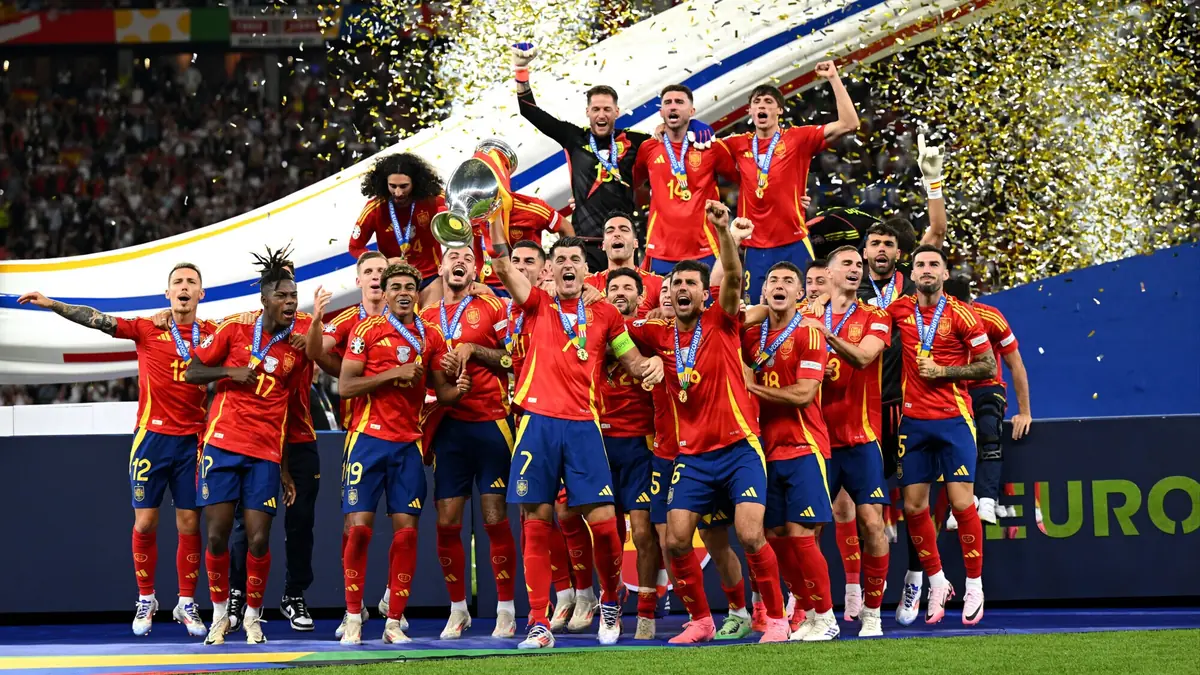
It runs through everyday life: children play in the streets, dreaming of becoming the new stars; families watch matches together; colleagues discuss goals and controversial moments at work. It's a universal language of belonging, a social bridge between ages, classes and even languages.
One of our clients told an interesting story. When he and his wife moved to Spain, football didn't much interest them — his wife knew nothing about it, and he himself only watched big tournaments. But they ended up in a circle where everyone lived for football: their neighbours watched the Spanish championship, La Liga, supported local teams, and for them gathering the whole family to watch a match in the evening by the TV was an everyday thing. And in the end they integrated into this culture themselves — they started watching football and, together with their new acquaintances, began going to matches and supporting teams. This is a great example of how the phenomenon of social glue works — when, through topics that are significant and important to a country, you can form strong bonds with other people.
The same can be said about padel. Here's Dmitry's comment on this topic: "Before Spain I wasn't into it, and now I actively play myself, watch matches and follow the competitions. Now we have a new family tradition — attending the final of the World Padel Tour."
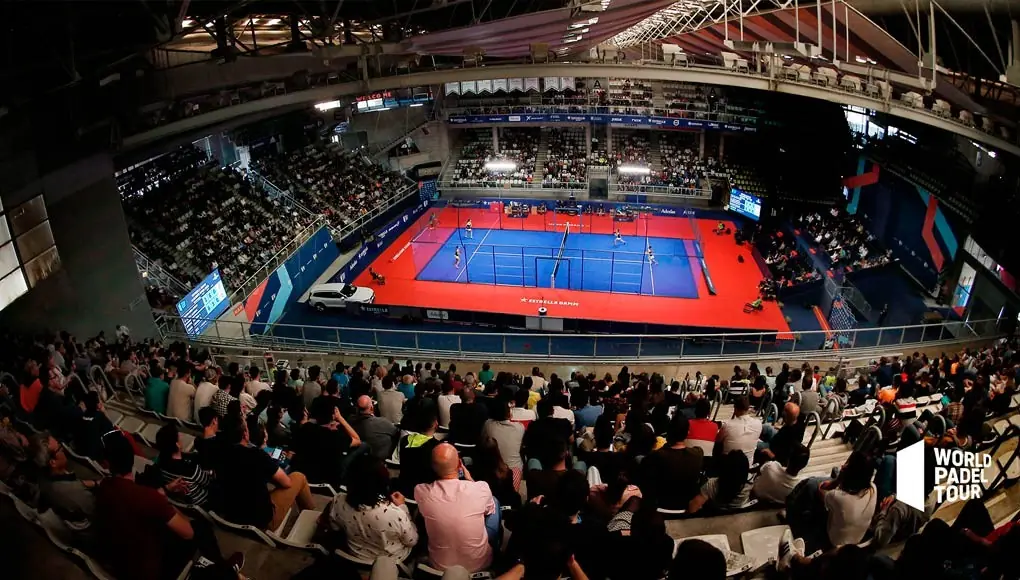
Here padel is part of society, part of the culture. Almost everyone plays it, and it's easy to get drawn into this sport — there are many courts, and to play you only need a racket. For me personally it's a chance to make many new acquaintances. I met Russian-speaking players, Spaniards, Asians, Latin Americans and others while playing padel, and learned a lot from them.
It's worth saying that Spain's cultural life is a life of celebration: vivid, social, relaxed, with an emphasis on the present moment, family, communication and enjoying simple pleasures in a warm climate. This culture of openness, balance and hospitality makes life easy and emotionally rich. It's important to accept this culture, live in it, not be dull and gloomy but talk to people more often, not be afraid to open up — and then your adaptation in Spain will go with ease. That's the main rule
If you're planning a move within the next 6 months, don't hesitate to turn to us for help. We'll not only ensure approval of your permit but also help you with everything related to adapting in Spain: we'll find Russian-speaking communities, advise you where to go and which documents to arrange first after the move, share useful contacts, open a bank account and help with registering your address. If you apply through us, you can be sure that your move and subsequent adaptation will go easily and without stress.
Strictly necessary
Required for the site to function
These cookies are essential for the website to work and cannot be disabled. They remember your language preference and your cookie decision so the banner doesn’t reappear
Analytics & performance
Anonymous visit counting
Let us count visits and traffic sources (search, social, direct) to understand page popularity and improve the site. No personal data is collected
Your rights
You can change or withdraw your consent at any time by clicking «Manage cookies» in the site footer. This is as easy as giving consent. You also have the right to access, correct, or delete your data by contacting us at hello@relospain.com